Who was Pedro Moretti Guedes
A portrait of the physician, the professor, the swimmer and the man who shared the credit for a diagnosis with the patient's mother.
- Full name
- Pedro Moretti Guedes
- Born
- 10 September 1935, Piracicaba, São Paulo
- Parents
- Maria Luiza Moretti Guedes and José Anthero Guedes
- Training
- Medicine, Sorocaba, 1963 · Residency at Hospital das Clínicas
- Registration
- CRM-SP 12002
- Died
- 17 February 2010, Bragança Paulista, aged 74
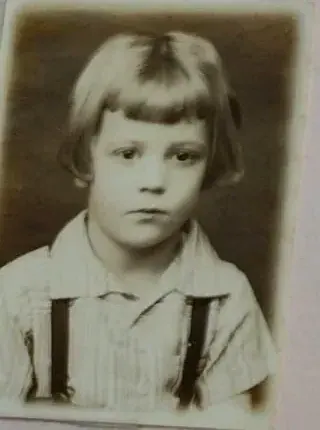
Sixth child of a railway worker.
Pedro was born on 10 September 1935 in Piracicaba, in the interior of São Paulo state, according to family memory. The certificate was drawn up sixteen days later at the registry of the Bom Retiro district, in the capital, where the family then lived on Rua Anhaia, stamped by the State Railway Workers' Fund: his father, José Anthero Guedes, worked for the Sorocabana railway. His mother, Maria Luiza Moretti, was the daughter of Italians.
A newspaper report kept by the family says there were sixteen siblings and that the father insisted on his children's education. Pedro was the sixth. He was baptised in 1936, held by his godmother Georgina, and a childhood portrait, in braces with a fringe, opens the sheet on which the family summarised his life.
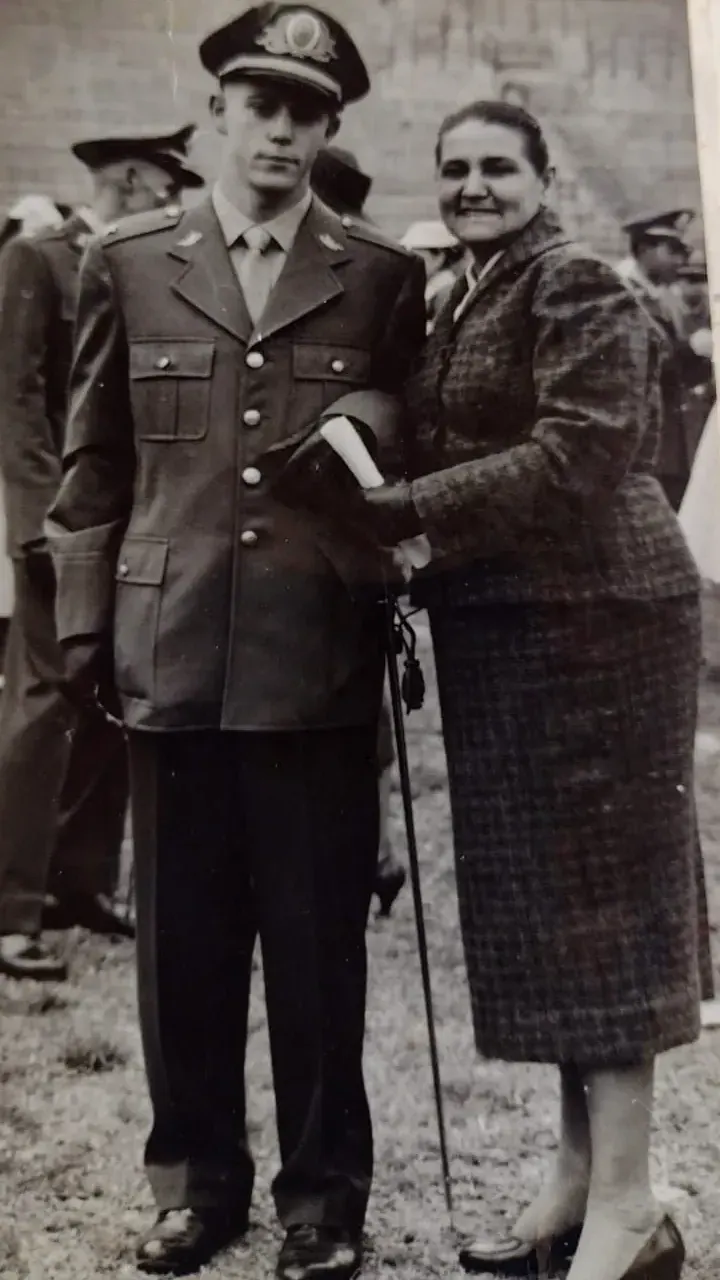
Uniform, swimming pool and the road to Medicine.
Before university, Pedro went through the CPOR, Brazil's Reserve Officers Training Centre. The graduation photo, in uniform beside his mother, is one of the oldest in the archive. Another document of the period describes him as a second-year student on the Quartermaster course.
It was also in those years that swimming entered his life. A photograph shows him young, at the edge of a pool with three friends. Decades later he would sign texts on the sport as a coach and member of the Technical Council of the São Paulo Swimming Federation.
He graduated in Medicine in Sorocaba in 1963. He went on to São Paulo for his residency at the Hospital das Clínicas and worked for about three years at SAMDU, the public emergency home-care service.
The way he practised Medicine
The documents show a professional hard to reduce to a single specialty. Pedro appears as a clinician, surgeon for adults and children, family doctor, professor of Surgical Technique and Abdominal Surgery at Universidade São Francisco, author of articles and a keen observer of Brazil's health system.
In his accounts there is a pattern. He valued the clinical examination, time to listen and the doctor's responsibility before the patient's trust. Even when he told of a correct diagnosis, he did so to speak of attention and humility. When told he had diagnosed a difficult meningitis, he replied that it was the child's mother who had alerted him to how serious it was.
A tribute written by patients sums up the practice: he himself came to greet each person at the door, with a hug; he saw patients to the sound of classical music; he offered coffee or tea; and "sometimes we didn't even need medicine, your attention and your words alone healed us".
“A doctor must have a conscience, because the patient's trust in him is infinite.”
Pedro Moretti Guedes, in a newspaper report preserved in the archive
Medicine without a price
The part of the story the family most insists on telling is on no diploma. When a person without means came to the clinic, Pedro treated them with the same care he gave those who paid, and charged nothing. A private consultation was not cheap; for him, that was never a reason to leave someone without care.
In the reminiscences, the episode of the woman who brought her son to the office and could not always pay ends with a sentence, not a bill: "You don't know her life, so don't criticise her." In the 2010 tribute, patients wrote that he "did not mind whether they were upper or lower class; what mattered was the patient's recovery".
Pedro never cared about money. He cared about people, about well-being and about care. Practising Medicine, for him, was that. It is the trait his son, Felipe, says he carries within himself.
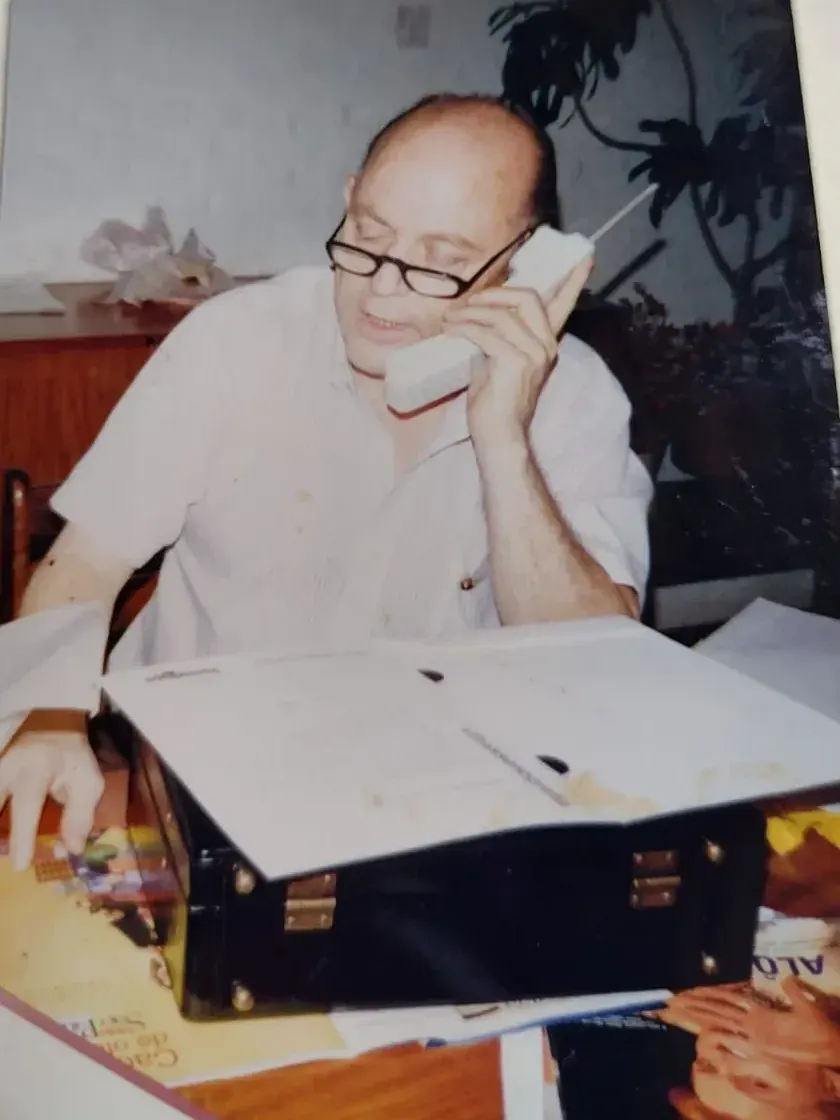
The office where he most liked to be.
In 1967 Pedro settled in Campo Limpo, in the south of São Paulo, when the area was still growing without asphalt or a hospital. He stayed for more than forty years. The Clínica Médica Campo Limpo, at Rua Dr. Avelino Lemos Jr., 67, treated "adults and children, surgery and general practice", as the advertisement said.
A photo pasted in the family album carries the caption "Pedro at the office where he most liked to be". From there he wrote, between 1992 and 2008, dozens of articles for the Jornal Zona Sul and other papers: cholesterol, diarrhoea, generics, health plans, emergencies, public health.
He also practised in Osasco, Franco da Rocha and Caieiras, and the names of the Santa Casa de Misericórdia, the Hospital Albert Einstein and the Hospital Santa Paula appear in the memories of those who knew him.
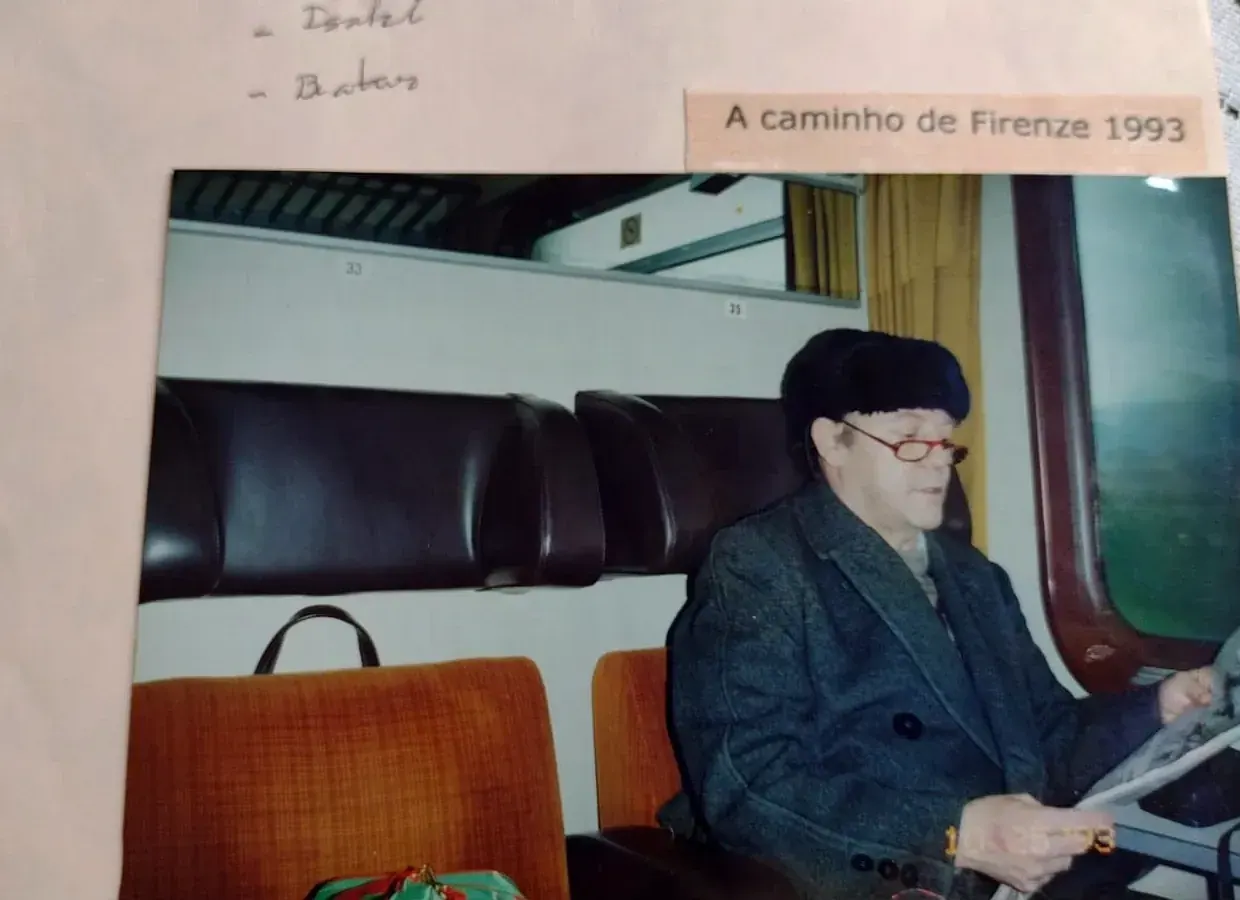
Books, travel, cats and a full house.
The photographs show a man surrounded by people: Christmas tables, birthdays, friends in armchairs, grandchildren on his lap, a dog and a cat competing for the same lap. In 1993 a train took him to Florence; the photo, in a beret and red glasses, reading the paper, got a caption in the family's handwriting.
An English teacher who had Pedro as a student wrote, years later, that he "did not talk about spirituality, but lived it in practice, in his gentlemanly way". A phrase attributed to a priest friend sums up the impression he left: "I know I am the priest, but the true minister is Pedro."
Bragança Paulista, 2010
Pedro died on 17 February 2010 in Bragança Paulista, aged 74 years and five months. The seventh-day mass was celebrated in Campo Limpo on 25 February. Relatives, friends and patients read a handwritten tribute, now preserved in this memorial, which calls him "the doctor of body and soul".
In 2010 and 2011, notices in the Folha de S.Paulo recorded masses in his memory. Every 10 September, former students and patients still write about him.
Dates, places and what remained.
- 10 September
Born in Piracicaba, São Paulo
Sixth child of Maria Luiza Moretti Guedes and José Anthero Guedes, a railway worker. The certificate is drawn up on 26 September in the Bom Retiro district of the capital, stamped by the State Railway Workers' Fund.
Baptised
The photograph of the baptism, held by his godmother Georgina, is the oldest image in the archive.
CPOR and swimming
Graduates from the Reserve Officers Training Centre. Around the same time he is a swimming coach and sits on the Technical Council of the São Paulo Swimming Federation.
Graduates in Medicine in Sorocaba
Completes his medical degree, according to a historical report kept by the family.
Hospital das Clínicas and SAMDU
Medical residency at the Hospital das Clínicas in São Paulo. Then about three years at the Emergency Home Medical Care Service.
Arrives in Campo Limpo
Settles in the south of São Paulo and begins a relationship with the neighbourhood that would span more than four decades.
Surgery, practice and teaching
Surgeon for adults and children at the Clínica Médica Campo Limpo. Professor of Surgical Technique and Abdominal Surgery at Universidade São Francisco, Bragança Paulista.
The "Does Cholesterol Kill?" series
Publishes in the Jornal Zona Sul the first health-education texts preserved in the archive.
Trip to Florence
A photograph on the train, "On the way to Florence 1993", records the trip to Italy.
"Doctor has served the neighbourhood for 30 years"
The Diário Popular publishes a report on his long service in Campo Limpo and his practice as a family doctor.
Intense writing
Writes on generics, health plans, public health, emergencies, laboratory tests and prevention. In 2005 the Osasco Official Gazette lists him among the city's physicians.
- 18 October
Reminiscences of a Doctor
The family gathers stories, articles, documents and photographs in a dated compilation.
- 17 February
Dies in Bragança Paulista
Aged 74 years and five months. The seventh-day mass is celebrated in Campo Limpo on 25 February, with a tribute read by relatives, friends and patients.
Masses in his memory
Notices in the Folha de S.Paulo record celebrations in his memory in Campo Limpo and elsewhere.
Felipe Guedes did not grow up with his father. He knows Pedro through the stories, and loves him for them. What he keeps most is the doctor who treated for free those who could not pay: a way of looking at people, not at money, that Felipe carries with him.